
“Amended WHMIS” Is Now the Standard. If Your Labels Still Say 2015, It’s Time for a Reset.
Canada’s WHMIS amendments moved from transition to “must be compliant” after the December 2025 deadline. Here’s what changed, what to audit first, and the practical PPE and emergency-response basics that help you close gaps fast.
A lot of workplaces treat WHMIS like paperwork. Until it isn’t.
The federal updates to the Hazardous Products Regulations (the backbone behind WHMIS supplier labels and SDSs) came into force in late 2022, with a three-year transition period that ended in December 2025.
As of now, “former WHMIS 2015” is basically the old world. The new world is “amended WHMIS,” and that change affects what shows up on labels, what’s in your SDS binder, and what your workers should be trained to recognize.
So the real question is simple: If an inspector (or a new worker) looked at your chemical area today, would it look current, consistent, and understandable?
What changed (in plain language)
Health Canada’s amendments were intended to align Canada more closely with the 7th revised edition of GHS (and some provisions of the 8th).
For many employers, the practical impacts are:
- Some products may have updated classifications (and therefore different hazard statements).
- Supplier labels and SDSs may look slightly different, and you may see new/updated hazard classes referenced in training materials.
- Your WHMIS training and workplace labels may need a refresh to match what workers are actually seeing.
The common gap: “We have WHMIS” vs “We’re WHMIS-current”
Here’s what tends to happen during transition periods:
- Old stock with old supplier labels stays on shelves
- SDS binders don’t get updated consistently
- Workers get trained once, then moved onto new products with new label language
That’s how you end up with a workplace that’s technically “doing WHMIS,” but operationally confusing.
Fast audit: the 20-minute WHMIS reset
If you do nothing else this week, do this:
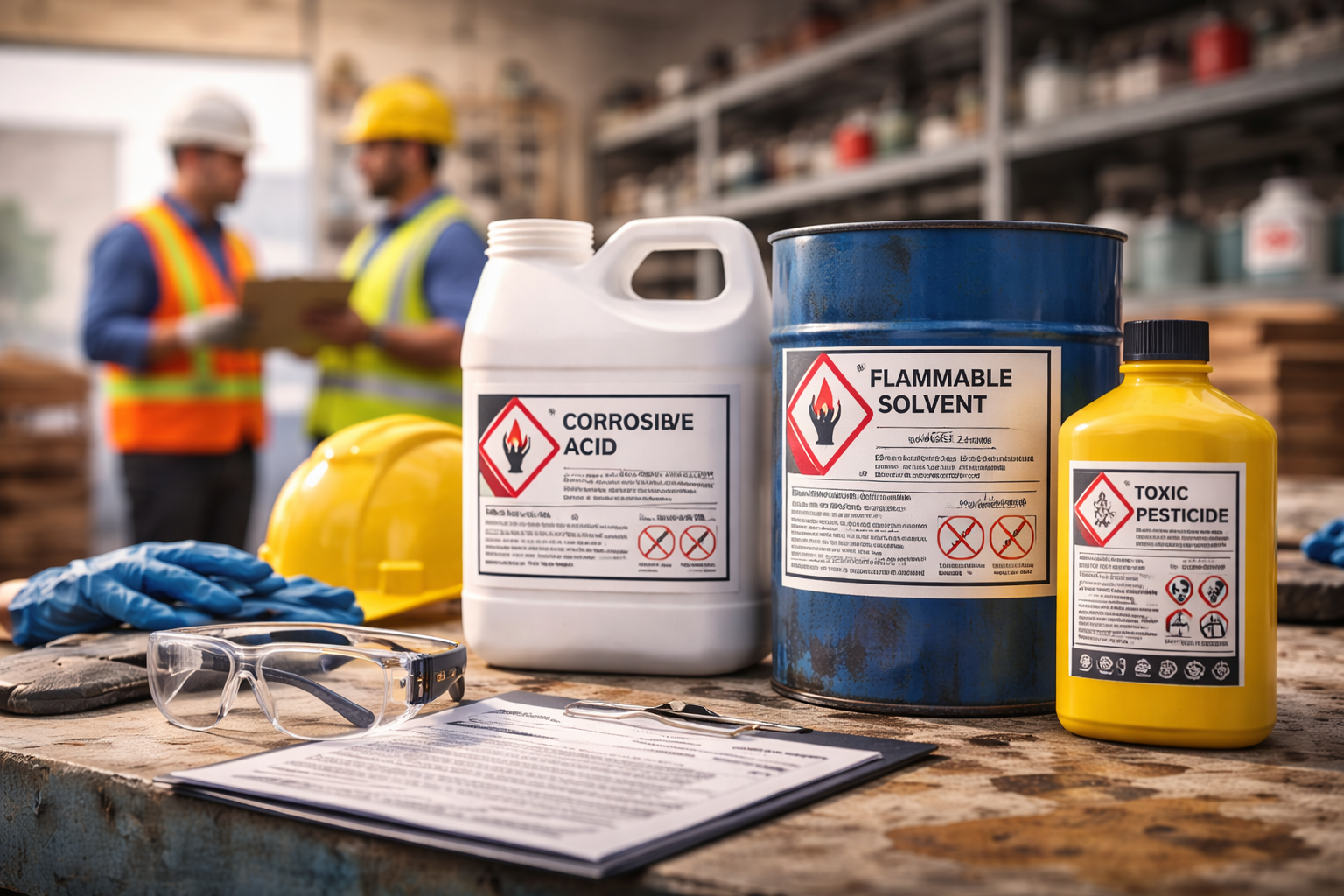
- Walk your chemical storage area
- Pull 10 random containers
- Do the labels look current and readable?
- Pick 5 high-use products
- Confirm you have the latest SDS for each
- Make sure workers can access them quickly (not “somewhere in an email”)
- Match PPE to what the SDS actually says
- Especially for eye exposure, vapours, mists, and skin contact
- Update your training touchpoints
- Toolbox talk + a quick “what’s changed” handout goes a long way
(And yes, this is as much about reducing confusion as it is about compliance.)
Product spotlight: practical “close the gap” basics (Pickering Safety)
When WHMIS changes, the fastest wins are usually not fancy. They’re the basics that keep exposures from turning into incidents.
1) Respiratory protection for dust and airborne particulates
If your work includes nuisance dust or particulate exposure (and your assessment calls for it), Pickering Safety carries common options like:
- 3M Aura™ particulate respirator (N95)
- 3M 8210 N95 masks
- Half mask respirators (for use with appropriate cartridges/filters based on the hazard)
2) Eye emergency response (because splashes don’t wait)
Chemical programs often focus on PPE, but emergency response matters too.
- Eyewash station
- Portable Emergency Eye & Skin Rinse (handy for mobile work or quick-access areas)
3) Skin protection and cleanup basics
- Nitrile exam gloves (powder free) are a common “baseline” glove for general handling and response tasks (your hazard assessment may require more specialized chemical gloves, but nitrile is often the day-to-day workhorse).
The bottom line
The WHMIS transition window is over. “Amended WHMIS” is the expectation now, and the easiest way to stay out of trouble (and reduce confusion) is a short, repeatable audit: labels, SDS access, PPE alignment, and quick refresher training.
If you want, tell me your industry (construction, manufacturing, automotive, labs, facilities, etc.) and the top 5 products you use (paint, solvents, degreasers, adhesives, disinfectants…), and I’ll tailor this post into a more specific, industry-flavoured version with a tighter PPE and emergency equipment checklist.